1 Physio, 7 medics, 529 runners…and 100 miles.
To recruit or not to recruit, that is the question?
It all starts with a question.
“Do we need a physio for this event?”
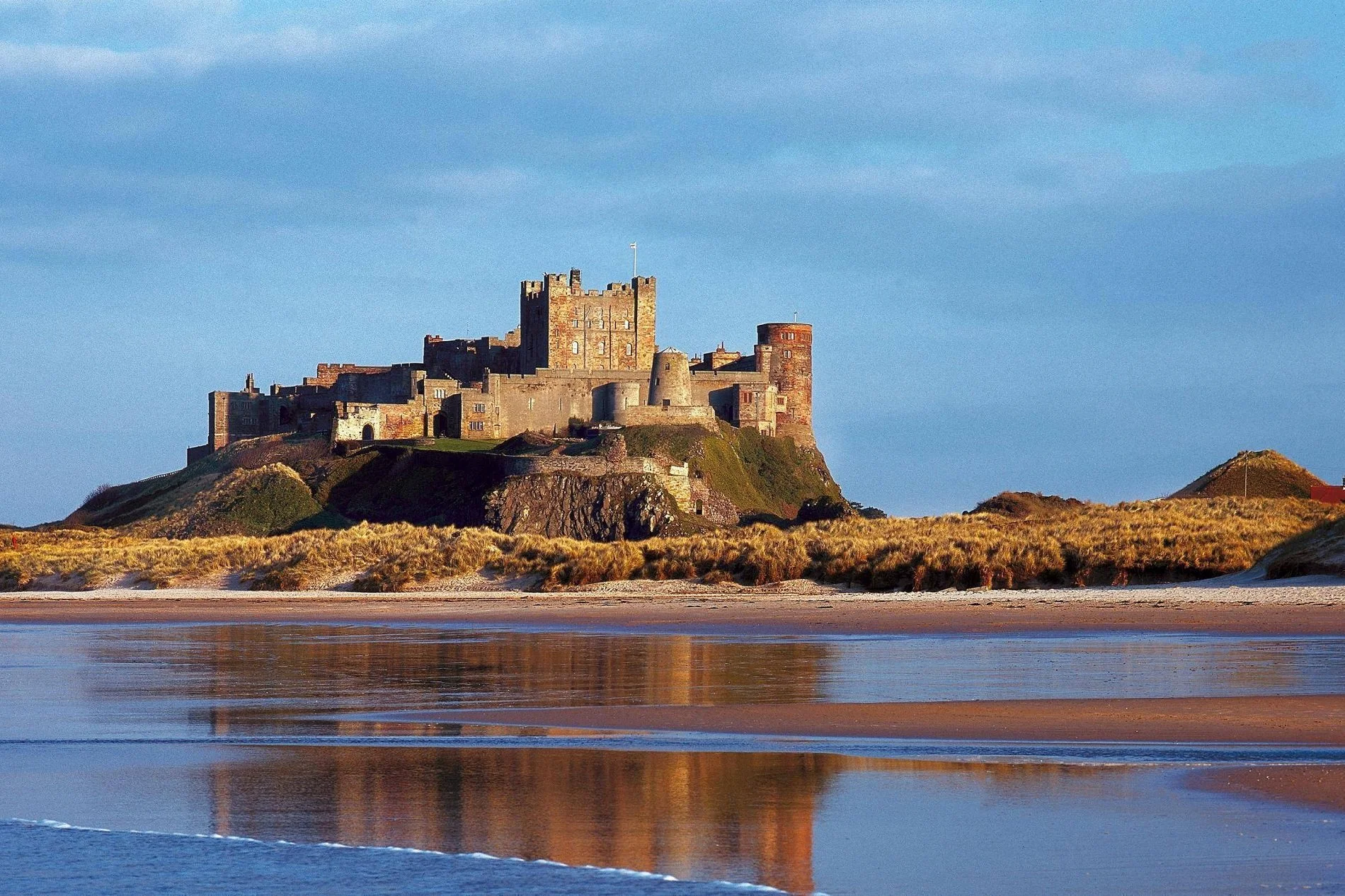
The answer is usually yes. Picture this…the stunning North East Coast, with its beautiful, undulating terrain, peppered with hills, cliffs, beaches and all manner of wildlife, stretching for miles North and South. Now picture the most gloomy, miserable and wet winters day you can, the kind of day when it rains sideways and you feel the damp and misery seep into your bones. If you combine these two wonderfully contrasting pictures together, you are now at the start line of the Rat Race 100 mile Castle to Castle to run, starting at Bamburgh Castle and (hopefully) finishing at Edinburgh Castle.
The steady beating heart of an event
As the ultimate adventure physio, my job is simple…keep the participants safe, moving and maintained. These brave people had been training for months to take on this challenge. They had done the preparation, sorted out their fuel, worked out their mental strategy and become intimately familiar with the course. They knew their strengths and weaknesses, their injuries and hotspots, what might cause a problem and what they could ignore. Countless physios across the country had helped these participants get to the start line in the best condition possible and now it was crunch time.
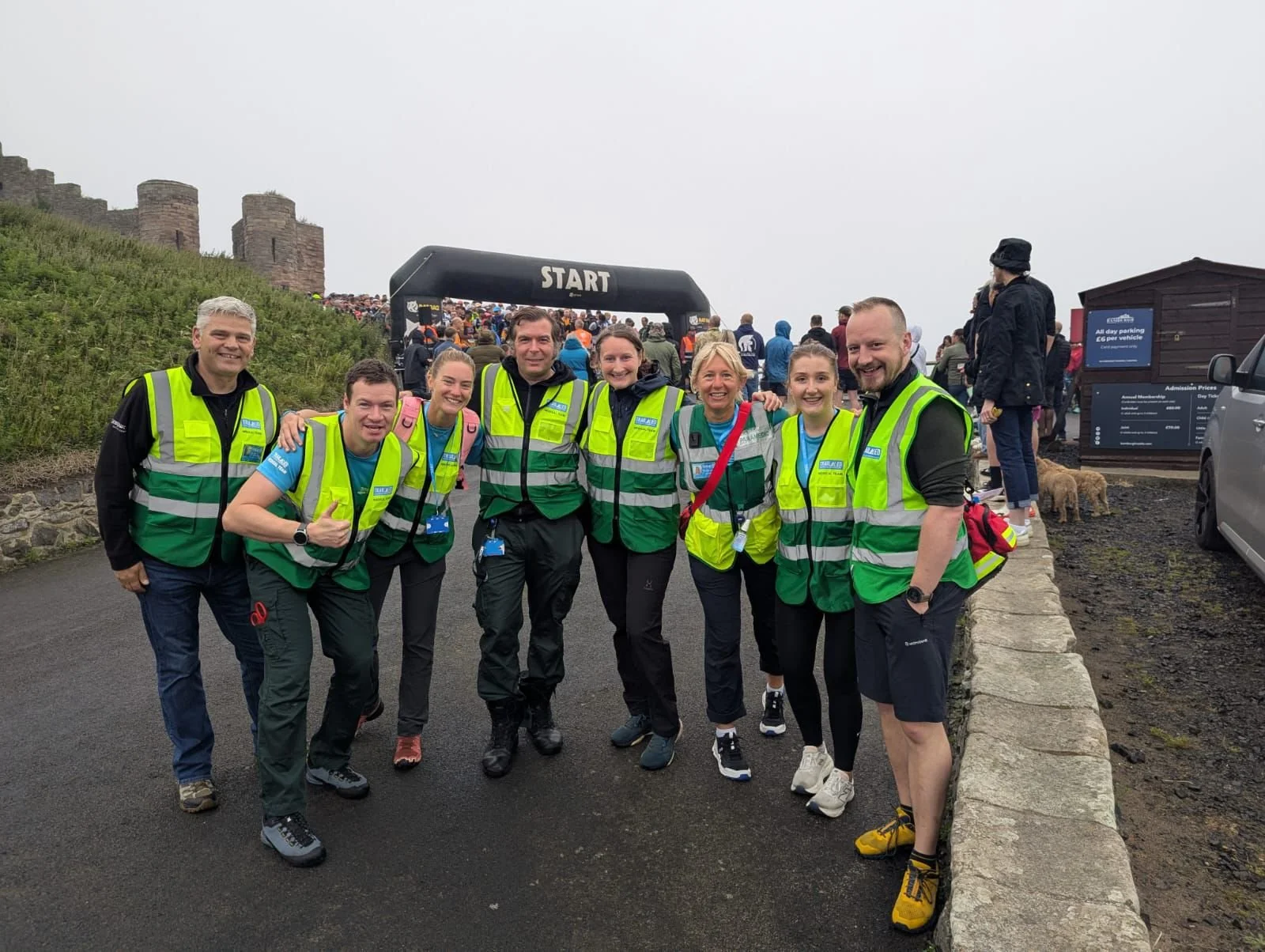
Our team of 8, some of TrailMed’s finest crew, had a huge task ahead of us. Look after as many participants as humanly possible whilst not ignoring our own health and wellbeing. We had a dynamic plan, prone to change and adaptation, we had snacks, mostly in the form of freddos, and we had coffee…lots and lots of coffee.
A expedition medical team is made up of a myriad of professions, each with their own unique insight into the delivery of exceptional care thanks to their diverse sporting, adventuring and event background. Our 100-team consisted of doctors, nurses, paramedics, ECA’s (Emergency Care Assistants) and of course, Physiotherapists…although in this case Physiotherapist is singular. As is the case in most events, our team had not worked together before as a unit and many of us were newly introduced on that dreary, drizzly morning in Bamburgh.
BUT
The wonderful thing about expedition medics is that we all share a common goal, and often many common personality traits. We all have an insatiable itch for adventure and excitement, a strong commitment to deliver patient-centered care to the highest standard in some of the most challenging conditions, and short but deep connection with our team. 48 hours may not seem like a long time to the outside world, in fact it is only 2 days, but to a team of medics, who cat-nap in the back of ambulances, take a moment to give a strong and comforting hug to each other when the pressure becomes too much, provide a constant stream of tea when you haven’t taken a break in over 20 hours yet still stride out into the driving rain and winds at 0330 in the morning to provide emergency care to a severely injured runner…48 hours can feel like a lifetime.
So there must be a reason why we put ourselves through this challenge, this mild insanity. We love it.
Feet, fields and facts
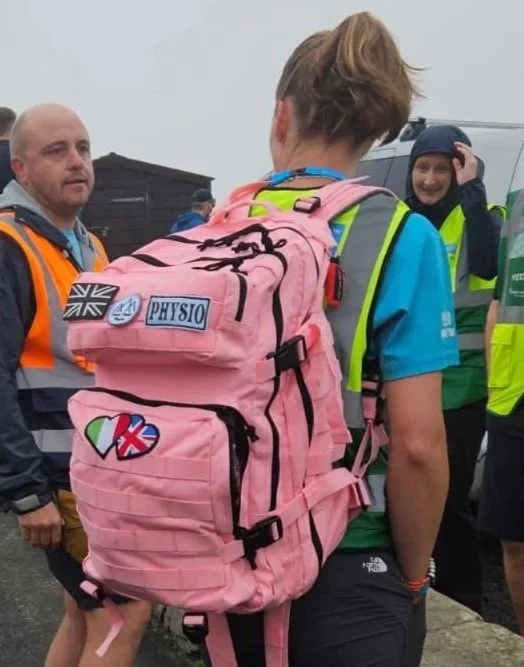
The Rat Race 100, has Pit Stops roughly every 10 miles, with food, snacks, hydration, a friendly face, support and most importantly on this event, shelter from the incessant rain. My sub-team, consisting of myself, fondly known as Action Barbie on events, one fabulously dynamic paramedic and one wonderfully vibrant ECA, spent 48 hours mostly looking at peoples feet. Blister care is a huge part of endurance events. Knowing how to identify and manage hotspots, create a plan for an established blister and making the tough call about whether the participant is safe to continue are just some of the things we were challenged with. There is a strong association between blisters and compeed or similar patches, but there is also a strong association between compeed et al. and exasperated medics. When a patch pulls off a layer of skin as part of its removal, it makes the task of sticking their foot back together in a way that minimises pain all the more challenging. However, for this dream team, moving from pit stop to pit stop, coffee shop to coffee shop. We were fazed by nothing.
Hotspots are areas of skin that have been irritated by friction and have the potential to develop into a blister if not dealt with in a timely manner. Walking or running 100 miles has the potential to create a lot of friction on the pressure points of the foot and so for our participants, knowing how to manage these is essential. In a short summary of hotspots, K-Tape is your best friend. Sticky, thin, stretchy and friction reducing, it is a tried, tested and endured method of preventing blisters. In the sometimes inevitable case of a blister rearing its ugly, puss-filled head, there are a couple of options. Blisters come in all shapes, sizes and colours. From tiny little clear fluid filled pin heads on the end of your toe, to thumb size, red/pink/clear filled sacks on the back of your foot, none of them are ideal. Lancing is possibly the most common way to deal with these fluid filled pockets. This technique involves breaking the skin as smoothly as possible with a sterile needle and allowing the fluid to drain out. After you have drained the life out of your unwanted guest, you want to reduce the friction on that spot to prevent a return. The best way to do this? K-tape.
If you want to learn more about what blisters are and how to manage them, keep your eyes peeled for a short foot care series on Instagram or YouTube!
Action Barbie is a go!
Of course, there were MSK problems to manage simultaneously. When you walk or run 100 miles, the body understandably has something to say about it. Tightness in the hip flexors, hamstrings in spams, ankles that are feeling the burden of constantly undulating wet and slippery terrain. The diversity of issues distracts you from the fact you might not have slept in 24 hours. There are multiple ways of fixing these problems, from soft tissue release techniques for tightness, trigger point release for acute muscular spasms, in depth assessments of ligaments, tendons, and joints to differentiate between a fracture and a very bad strain and most importantly, K-Tape. Scissors and K-Tape are to Expedition Physiotherapists are what knives and seasoning are to a chef. Personal and indispensable. At one point during this 48-hour marathon, I took a power nap in the ambulance with my high-vis jacket on, phone on loud in one hand and K-tape with scissors in the hole in the other. A guard on duty catching a few brief moments of respite before diving back into the field of fixing, sticking, popping and probing.
The final round
In the end, our team of 8 went through over half the supplies we had brought with us. To put that in perspective, we had two fully stocked Ambulances, a heavily prepared RRV and several personal kits between us. We made it through a tough 48 hours as a team with very little sleep and a lot of emotional support from each other. I felt very privileged to have worked with such a brilliant and competent team and fortunate to be supported by the base camp teams of both TrailMed and Rat Race. At present, event Physiotherapy is something you can only learn through experience. I am working with TrailMed and CruxVenture to change that. Combining our vast knowledge, passion for continuously improving our level of service and desire to share our experiences and expertise with an eager and restless field, we are developing some incredible courses and resources that will allow the world of expedition medicine and therapy to transcend from something you only read about in blogs to a tangible facet of information that you can interact with, learn about and use with confidence.